Making Tax Digital for Income Tax: What Changes in 2027 and Are You Affected? 💻📊
Making Tax Digital for Income Tax has already started for some people.
And the next wave is coming sooner than you might think. 🚨
If you’re a sole trader or landlord, here’s what you need to know, and why the Self Assessment return you file this January could decide whether you’re affected. 👇
🤔 What is Making Tax Digital for Income Tax?
Making Tax Digital for Income Tax (often called MTD for ITSA) changes how sole traders and landlords report their income to HMRC.
Instead of one Self Assessment return each year, you’ll need to:
✅ Keep your business records digitally, using compatible software ✅ Send quarterly updates to HMRC ✅ Submit an end-of-period statement ✅ Complete a final declaration by 31 January after the tax year ends
It’s a big change from keeping everything in a shoebox until the deadline. 😅
📆 Who is affected, and when?
The rules apply in stages, based on your qualifying income:
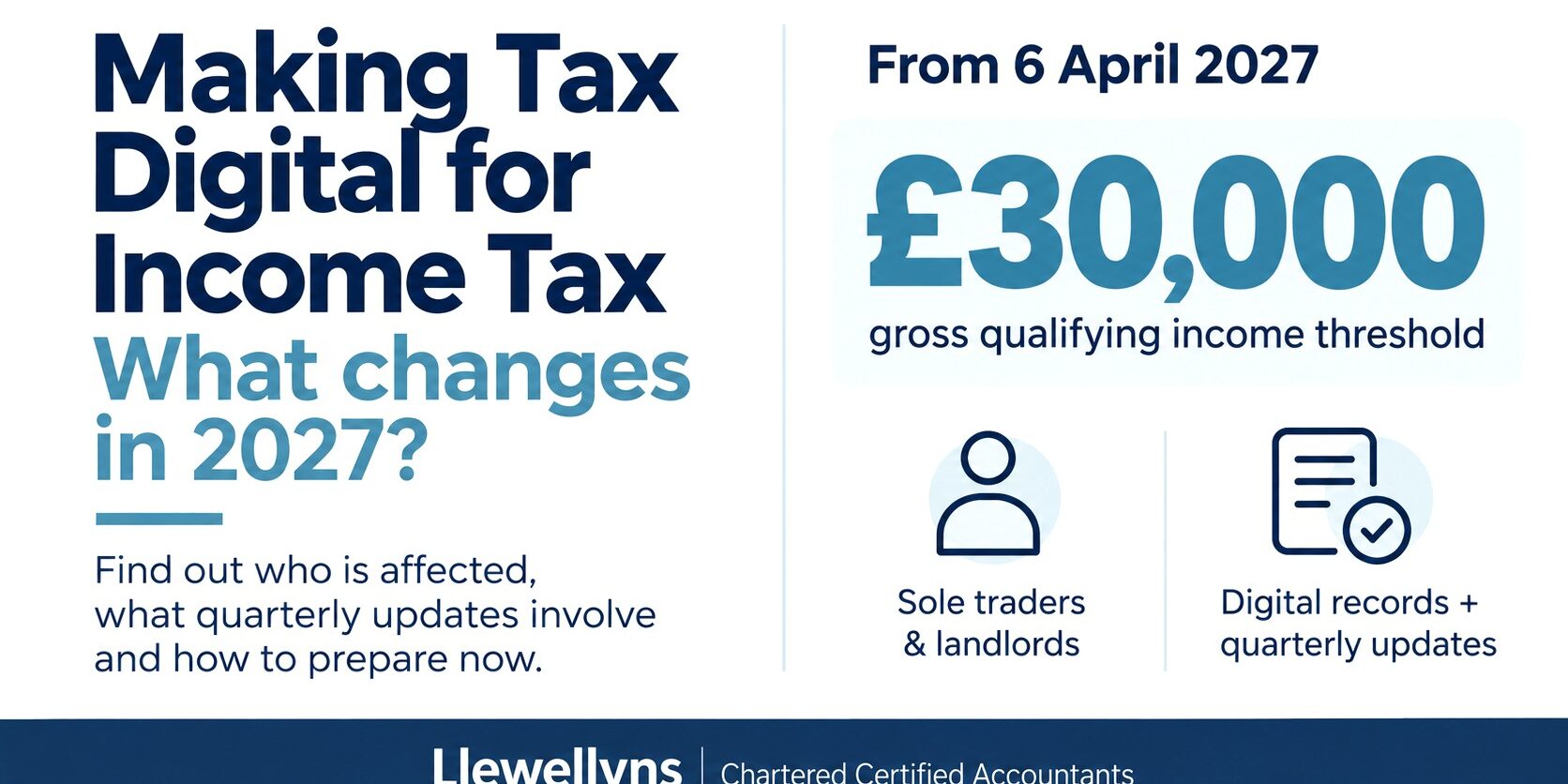
🔹 From 6 April 2026: qualifying income over £50,000 🔹 From 6 April 2027: qualifying income over £30,000 🔹 From 6 April 2028: qualifying income over £20,000
If you’re already in the £50,000 group, your next quarterly update is due by 7 November.
💷 What counts as qualifying income?
This is where people get caught out.
It’s your gross income (turnover) from self-employment and property before expenses, not your profit.
For example:
💷 Self-employed turnover: £28,000 💷 Rental income: £4,000
Total: £32,000
Even if your profit is much lower, you could be caught from April 2027. (This is just an illustration. Your own position will depend on your circumstances.)
HMRC is expected to use your 2025/26 return, the one you’re filing now, to decide whether you’re in. That’s why it matters this January.
🗓️ What will quarterly updates look like?
Most people will send updates by:
🔹 7 August 🔹 7 November 🔹 7 February 🔹 7 May
These are summaries of your income and expenses, not a full return, but they do rely on up-to-date records. Late updates can lead to penalty points, and enough points lead to a financial penalty.
🏢 What about limited companies?
Limited companies are not covered by Making Tax Digital for Income Tax. But if you’re a director who also has self-employed or rental income, you could still be affected personally.
✅ What should you do now?
If you might be affected, there are three simple steps:
✅ Check your gross income for 2025/26, including any rental income ✅ Keep your records up to date and separate business and personal spending ✅ Speak to your accountant about software and how updates will work
Starting early means you can get comfortable with the process before the deadline, rather than learning it under pressure.
📞 Want us to take care of it?
At Llewellyns Chartered Certified Accountants, we help sole traders and landlords check whether they’re affected, choose the right software and keep on top of their reporting, in plain English. 😊
We offer a free, no-pressure initial chat, so you can find out where you stand.
📍 Cardiff: 02920 624230 📍 Tonypandy: 01443 303230 📧 info@llewellyns.co.uk
Please Contact Us To Arrange Your Appointment Before You Arrive
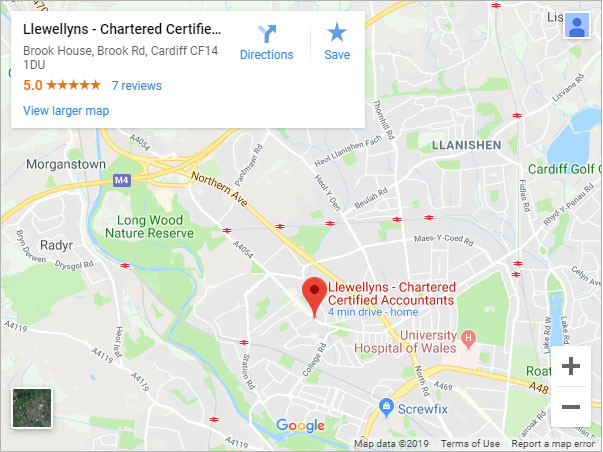
Find Us In Cardiff
Tel : 029 2062 4230
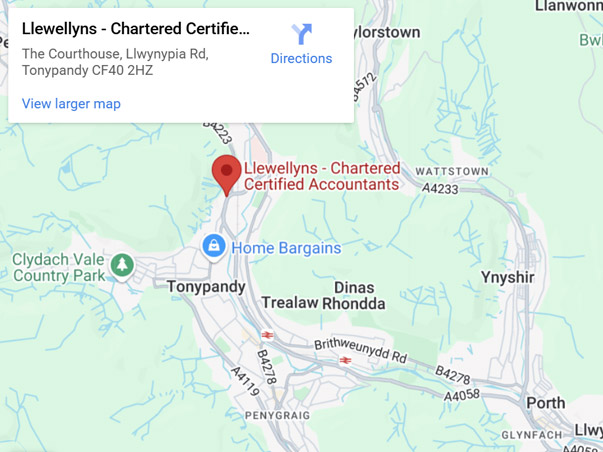
Find Us In Tonypandy
Tel : 01443 303230