💼 Tax-Efficient Ways to Extract Profits from Your Business
As a business owner, you’ve worked hard to grow your company — but when it comes to taking money out, the big question is: what’s the most tax-efficient way to do it?
Whether you’re a director of a limited company or a small business owner, it’s important to plan carefully so you can minimise tax, maximise personal income, and keep your business financially healthy.
Here’s a guide to the main options available 👇
💷 Salary vs. Dividends
One of the most common strategies for directors is to pay a small salary (often at or just above the National Insurance threshold) and take the rest of your income as dividends.
✅ Salary
Counts towards qualifying years for your State Pension
Can reduce Corporation Tax as it’s a business expense
May keep you eligible for benefits (e.g. maternity pay)
✅ Dividends
Not a business expense (so no Corporation Tax deduction)
But taxed at lower rates than salary (with a £500 tax-free dividend allowance for 2025/26)
Must be paid out of post-tax profits
⚖️ The right balance depends on your business profits, personal income level, and other allowances.
🏦 Pension Contributions
Making contributions into your pension through the company is one of the most tax-efficient ways to extract profit.
Employer pension contributions are treated as a business expense, reducing Corporation Tax.
No Income Tax or National Insurance to pay.
Boosts your long-term retirement planning while keeping money out of HMRC’s pocket.
Just keep in mind the Annual Allowance (£60,000 for 2025/26, or lower if tapering applies).
📝 Director’s Loans
If you’ve put money into the company, you can take it back via a Director’s Loan Account.
Withdrawals of your original loan are tax-free.
But if you borrow money from the company (rather than repaying your own funds), there are tax rules to watch out for:
Loans over £10,000 may be treated as a benefit in kind
If not repaid within 9 months of year-end, HMRC charges an additional Corporation Tax (S455 tax).
🏠 Other Options
Benefits in kind: Company cars, phones, or health insurance may work in some cases, but they often carry a tax/NIC charge.
Rental income: If you personally own the building the business uses, charging rent can be a tax-efficient strategy.
📊 Balancing Business and Personal Goals
It’s not just about tax savings — you need to think about:
Your cash flow needs
Keeping enough profit in the business for growth
Protecting your personal allowances
Planning ahead for Inheritance Tax or future sales
✅ Final Thoughts
There’s no one-size-fits-all answer when it comes to extracting profits. The best strategy depends on your business structure, profit levels, and personal financial goals.
💡 A blend of salary, dividends, and pension contributions is often the most efficient — but careful planning is key.
If you’d like us to review your current approach and find ways to reduce your tax bill safely, get in touch.
Contact us below or call 029 2062 4230
Please Contact Us To Arrange Your Appointment Before You Arrive
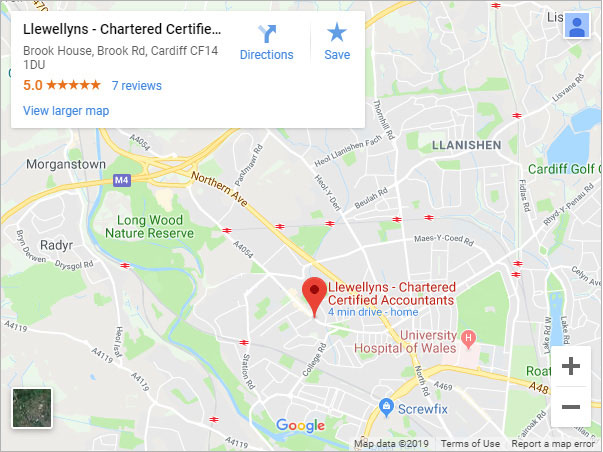
Find Us In Cardiff
Tel : 029 2062 4230
Find Us In Tonypandy
Tel : 01443 303230