How Much Should You Actually Be Setting Aside for Tax?
It’s one of the most common questions we get:
“How much should I be putting aside for tax?”
And it’s a good question, because getting this right makes everything else much easier.
Getting it wrong usually doesn’t feel like a problem at first…
until January arrives.
The aim isn’t to be perfectly accurate.
It’s simply to stay ahead.
💡 Why This Matters More Than You Think
If you’re self-employed or running a business, your tax doesn’t appear all at once.
It builds up gradually, based on the profit you’re making throughout the year.
The difficulty is that it doesn’t sit separately, it’s mixed in with the rest of your money.
So unless you’re actively setting some aside, it’s very easy to spend money that was never really yours to begin with.
📊 A Simple Rule of Thumb
You don’t need complex calculations to stay on track.
A rough percentage is usually enough.
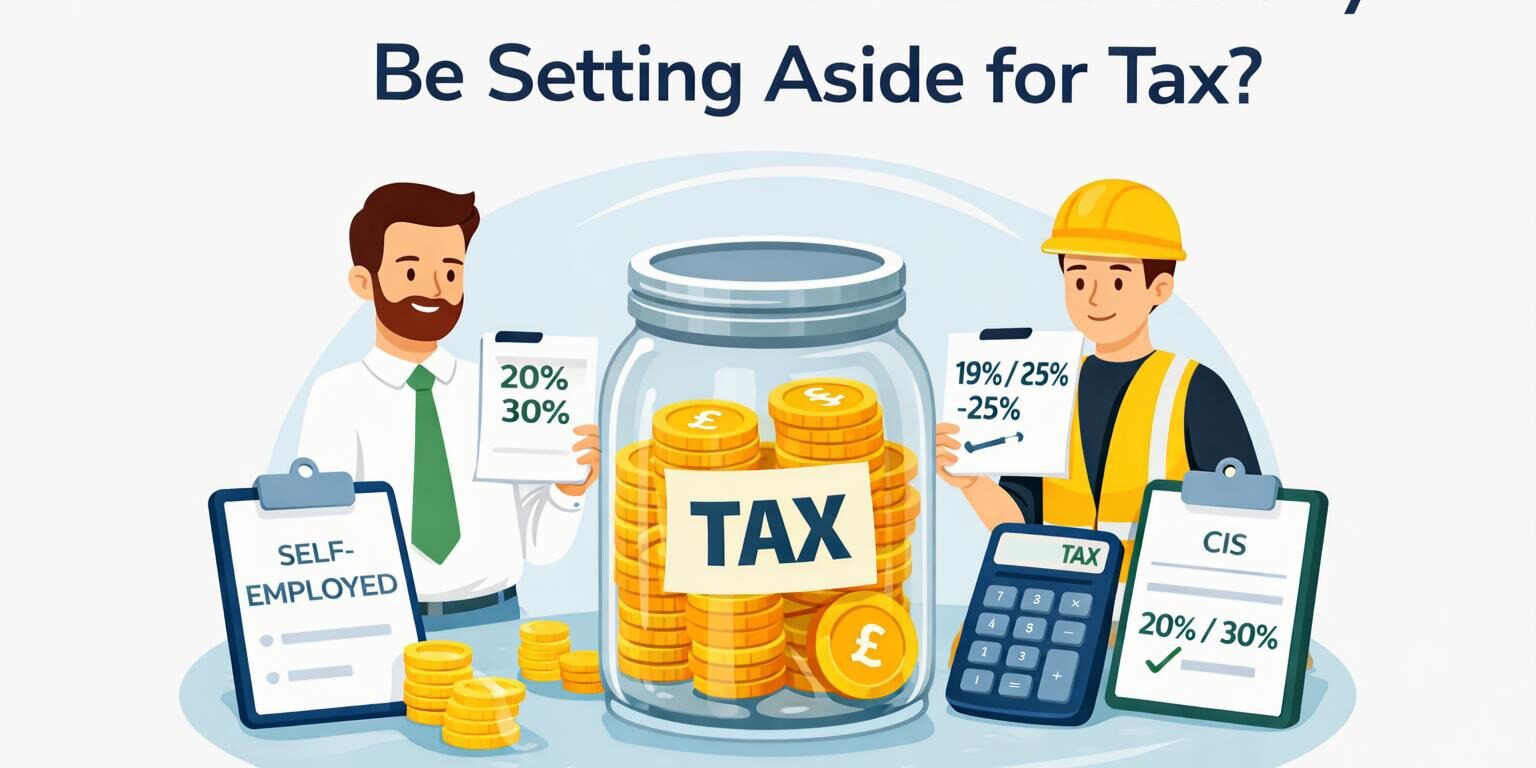
🔹 Sole traders / self-employed
👉 Set aside 20%–30% of your profit
This generally covers:
- Income tax
- National Insurance
If your income increases, you may need to move towards the higher end of that range.
🔹 Limited company directors
👉 Set aside 19%–25% of company profits
This covers:
- Corporation tax
Then separately, you’ll need to consider:
- personal tax on salary/dividends
This depends on how you’re structured, so it’s worth reviewing properly.
🔹 CIS subcontractors
👉 This works slightly differently
Under CIS, tax is already deducted at:
- 20% (or 30% if not registered)
However, that doesn’t always mean everything is covered.
You may:
- still have additional tax to pay
- or be due a refund
Either way, accurate records are key, because your final position depends on your actual income and expenses.
⚠️ Where People Get Caught Out
There are a few common patterns:
“I’ll deal with it later”
This is the biggest one.
By the time “later” comes around, the tax bill has already built up.
“There’s money in the bank, so I must be fine”
Cash and profit aren’t the same.
Spending without factoring in tax is where problems start.
“I’ll just see what the bill is in January”
This usually leads to:
- stress
- cashflow pressure
- difficult decisions
🧠 The Practical Way To Do It
You don’t need anything complicated.
A simple approach works well:
- Have a separate savings account
- Move a percentage across regularly (weekly or monthly)
- Adjust slightly as the year progresses if needed
That’s it.
It’s not about being exact, it’s about being prepared.
📅 Why Starting Now Makes It Easier
At the beginning of the tax year, everything is clean.
No backlog. No pressure.
Which makes it the easiest time to build the habit.
Even small, consistent amounts make a big difference over 12 months.
🌱 It’s About Control, Not Perfection
You don’t need to get the percentage exactly right.
You don’t need perfect forecasting.
You just need to avoid being in a position where the bill is a surprise.
💡 Final Thoughts
Setting money aside for tax isn’t complicated, but it does require consistency.
The people who feel most in control aren’t doing anything particularly advanced.
They’ve just made it a routine part of how they manage their money.
At Llewellyns, we always say:
It’s far easier to set a bit aside throughout the year than to find it all at once at the end.
Please Contact Us To Arrange Your Appointment Before You Arrive
Find Us In Cardiff
Tel : 029 2062 4230
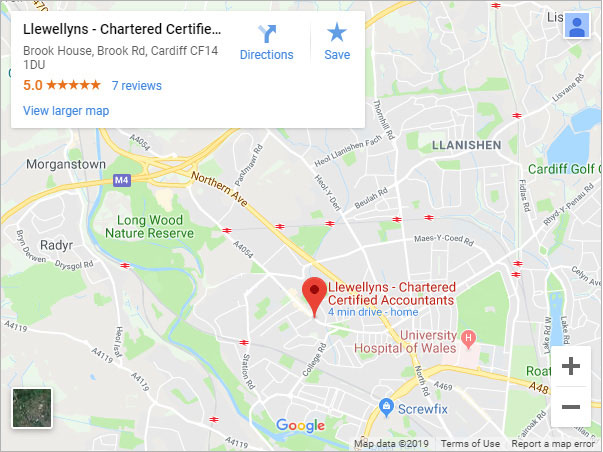
Find Us In Tonypandy
Tel : 01443 303230