Corporation Tax Payment Deadline: How It Works and How to Avoid a Nasty Surprise 📅💷
Corporation Tax bills have a habit of arriving at exactly the wrong moment. 😅
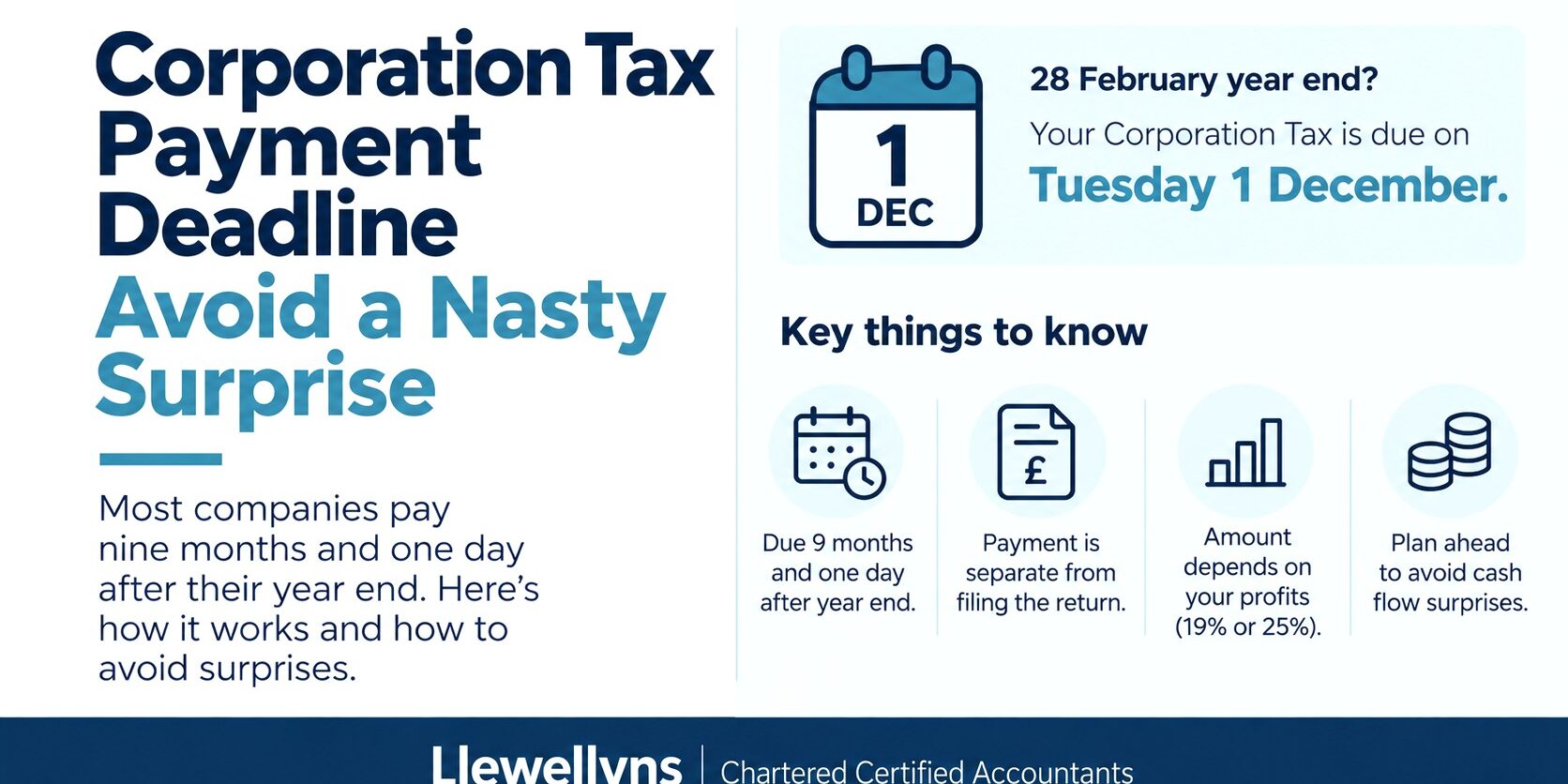
And for companies with a 28 February year end, the payment is due on Tuesday 1 December.
That’s just two weeks away.
Here’s how the deadline works, and how to make sure it doesn’t catch you out. 👇
📆 When is Corporation Tax due?
For most small and medium-sized companies, the rule is simple:
Corporation Tax is due nine months and one day after the end of your accounting period.
For example:
🔹 31 December year end: due 1 October
🔹 28 February year end: due 1 December
🔹 31 March year end: due 1 January
🔹 30 April year end: due 31 January
Larger companies with higher profits pay in instalments instead, but most of our clients pay in one go.
⚠️ Payment is separate from filing
This is the part that catches people out.
Your Corporation Tax payment is due nine months and a day after year end, but your Corporation Tax return isn’t due until 12 months after year end.
So you may need to pay before the return has been filed, which means you need an estimate of the bill in good time.
The accounts for Companies House are also due nine months after year end, so it’s best to get everything done together.
📊 How much will you pay?
The amount depends on your company’s profits.
Currently:
🔹 19% on profits up to £50,000
🔹 25% on profits above £250,000
🔹 Marginal relief between the two, which gives an effective rate somewhere in between
For example, for a standalone company with profits of £100,000, the bill is roughly £22,750.
(This is just an illustration. Your own bill will depend on your circumstances, including whether your company has associated companies.)
💷 Profit isn't the same as cash
The most common problem we see is a company that made a healthy profit, but has already spent the cash. 😬
That could be because the money has gone on:
🔹 Stock or equipment
🔹 Paying down loans
🔹 Director’s drawings or dividends
🔹 VAT or payroll bills
A simple habit helps: set aside a percentage of profit each month in a separate savings account. It makes the bill much easier to face.
✅ How to avoid a surprise
✅ Ask for an estimate early. Don’t wait until the due date
✅ Keep your bookkeeping up to date so your accountant has accurate figures
✅ Check for legitimate reliefs such as capital allowances and pension contributions
✅ Plan your cash flow for the nine-month window
✅ Put the date in your diary, with a reminder a month ahead
🚫 What happens if you pay late?
If HMRC doesn’t receive payment on time, you’ll be charged interest on the unpaid tax from the day after the due date.
Late filing of the return can also lead to penalties, which increase the longer it’s left.
🤝 What if you can't afford to pay?
Don’t ignore it.
Contact HMRC before the deadline. They may agree a Time to Pay arrangement, which lets you spread the cost, but you’ll need to ask, and the sooner you do, the better.
We can also help you plan so it doesn’t come to that.
📞 Want us to help?
At Llewellyns Chartered Certified Accountants, we prepare company accounts and Corporation Tax returns, and tell you what the bill is likely to be before the deadline, so there are no unpleasant surprises. 😊
We offer a free, no-pressure initial chat, so you can find out where you stand.
📍 Cardiff: 02920 624230 📍 Tonypandy: 01443 303230 📧 info@llewellyns.co.uk
Please Contact Us To Arrange Your Appointment Before You Arrive
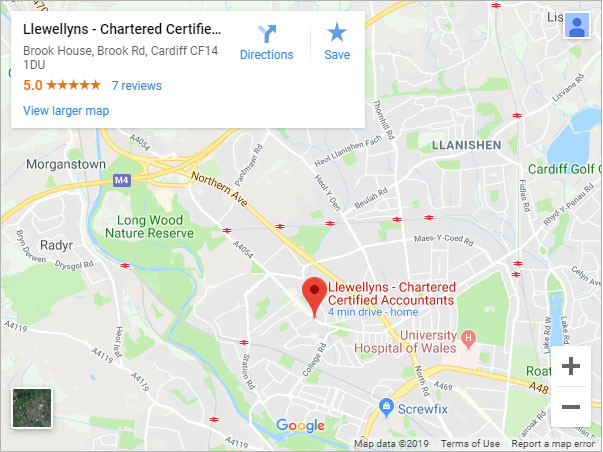
Find Us In Cardiff
Tel : 029 2062 4230
Find Us In Tonypandy
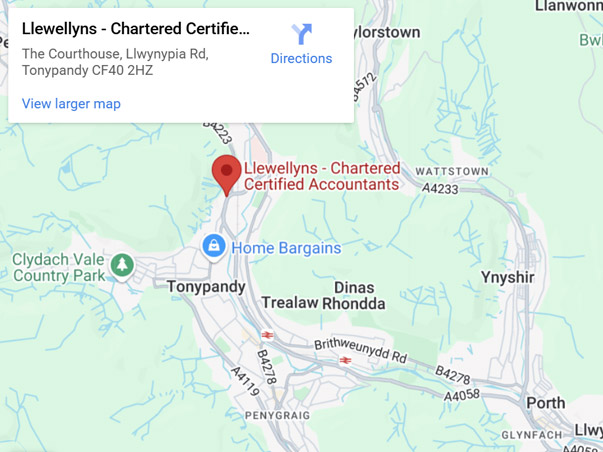
Tel : 01443 303230