
The Things Business Owners Think They’ve ‘Dealt With’ After January (But Haven’t)
Once the Self Assessment deadline passes, there’s often a collective sigh of relief.
The return is filed.
The payment has gone out.
January is finally behind us.
But in reality, January doesn’t finish everything, it often just brings a few things into view.
Every year, we speak to business owners in February who feel like they’ve “sorted” their tax, only to discover there are still a few loose ends quietly sitting in the background.
Here are some of the most common ones we see 👇
💷 Payments on Account (Still Sitting There)
This is probably the biggest one.
Many people assume that once January’s bill is paid, they’re done for the year. But for a lot of self-employed individuals and landlords, payments on account mean there’s more to come.
That often includes:
a second payment due in July 📅
future liabilities already showing on HMRC statements
confusion over why tax is appearing “again”
Nothing has gone wrong, it’s just the system working as intended. But it’s easy to forget about if it isn’t planned for.
📊 Cashflow Pressure That Didn’t Start in January
January tax bills often highlight cashflow issues that were already there, they just weren’t obvious yet.
We regularly see businesses where:
profits look healthy on paper
but cash balances feel tight
tax payments rely on last-minute juggling
Once the deadline passes, it’s tempting to move on quickly. But February is often the best time to pause and ask whether cashflow is actually working as it should.
🧾 Bookkeeping That’s “Good Enough for Now”
Another common theme is bookkeeping that’s technically up to date, but not especially useful.
After January, many business owners are left with:
figures that helped file a return ✔️
but don’t really help with decision-making ❌
If the numbers only get attention once a year, it’s easy for small issues to build up quietly in the background.
📬 HMRC Letters That Haven’t Been Read Properly
January filing often triggers:
statements
confirmations
reminders
future payment notices
These letters aren’t always urgent, but they are often misunderstood.
We see plenty of worry caused by letters that look alarming at first glance, but simply outline what’s coming later in the year.
Understanding which letters matter (and which don’t) makes a big difference to stress levels.
🧠 The “At Least It’s Done” Mentality
January has a habit of becoming something to get through, rather than learn from.
Once it’s over, many people understandably want to:
park tax for a while
focus on running the business
not think about deadlines again just yet
But the most useful insight January gives isn’t about the return, it’s about how the year unfolded leading up to it.
🌱 Why February Matters More Than It Seems
February is often where the real opportunity lies.
It’s a chance to:
reflect calmly
spot patterns before they repeat
make small changes that reduce pressure next time
January might be the deadline, but February is where better systems usually begin.
💡 Final Thoughts
If January felt harder than expected, it’s rarely down to one big mistake.
More often, it’s the result of things that were assumed to be “dealt with”, but weren’t quite finished yet.
Taking a little time in February to review what January revealed can make the rest of the year far more predictable and far less stressful.
At Llewellyns, we believe the best tax outcomes come from understanding what’s happening between the deadlines, not just racing to meet them.
Please Contact Us To Arrange Your Appointment Before You Arrive
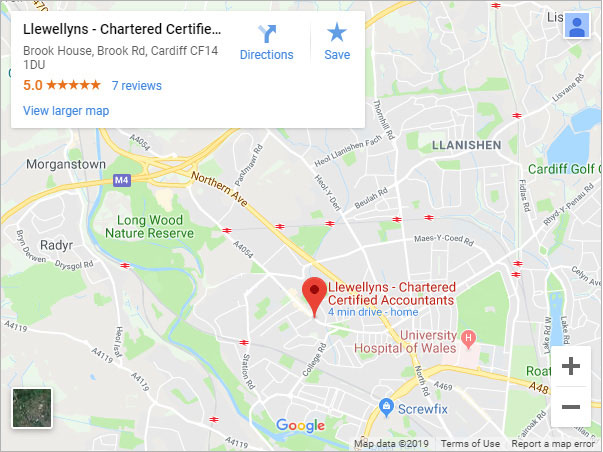
Find Us In Cardiff
Tel : 029 2062 4230
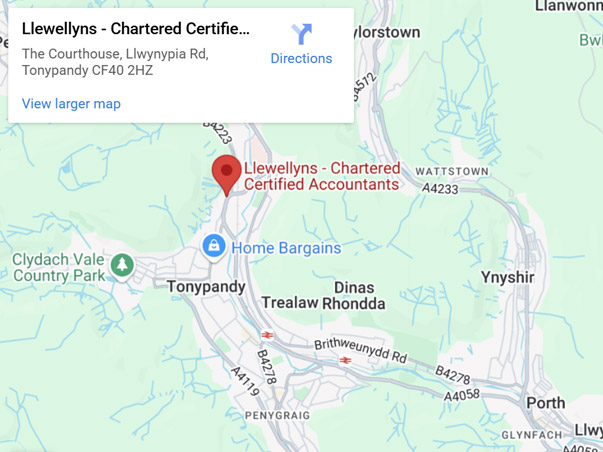
Find Us In Tonypandy
Tel : 01443 303230