Making Tax Digital for Income Tax: What Landlords and Sole Traders Need to Know
Making Tax Digital for Income Tax is one of the biggest changes to the way sole traders and landlords report their income to HMRC.
For many people, Self Assessment has traditionally meant dealing with the figures once a year, often several months after the end of the tax year.
MTD changes that.
Instead of relying on annual record-keeping and one tax return, affected taxpayers will need to keep digital records, use compatible software and send quarterly updates to HMRC.
For some landlords and sole traders, this will mean a significant change in how they manage their bookkeeping.
Who will be affected?
MTD for Income Tax is being introduced in stages.
From 6 April 2026, it will apply to sole traders and landlords with qualifying income over £50,000.
From 6 April 2027, the threshold is expected to reduce to £30,000.
From 6 April 2028, it is expected to reduce further to £20,000.
Qualifying income broadly means gross income from self-employment and property before deducting expenses.
This means the rules may affect you if you are:
- self-employed;
- a sole trader;
- a landlord;
- both self-employed and receiving property income.
It is important to note that the threshold is based on income, not profit. A landlord or sole trader may not feel they are making a particularly high profit, but they could still fall within the rules if their gross income is above the relevant threshold.
What will change?
Under MTD for Income Tax, affected taxpayers will need to:
- keep digital records of income and expenses;
- use MTD-compatible software;
- send quarterly updates to HMRC;
- submit a final tax return after the end of the tax year.
This does not mean paying tax four times a year.
The quarterly updates are designed to give HMRC a summary of income and expenses during the year. They are not the same as a full tax return.
However, they do mean that records will need to be kept up to date throughout the year, rather than being gathered together at the last minute.
For many people, that will be the biggest practical change.
Why good records will matter more
MTD is not just a filing change. It is a record-keeping change.
If your bookkeeping is currently done once a year, or if you rely heavily on spreadsheets, bank statements and receipts gathered together after the event, this is the time to review your process.
Under MTD, landlords and sole traders will need a system that can keep records digitally and submit the required updates to HMRC.
That does not necessarily mean the process needs to become complicated.
In fact, with the right setup, MTD could make things easier. Digital records can give you a clearer view of your income, expenses, profit and likely tax position throughout the year.
But the key is getting the system right before the rules apply to you.
What are quarterly updates?
Quarterly updates are summaries of your income and expenses.
Your software will use the digital records you have entered and send totals to HMRC for each relevant period.
These updates are not full tax returns, and they do not usually require all year-end tax adjustments to be made before submission.
The purpose is to keep HMRC updated during the year and to help give taxpayers a more current view of their position.
The standard quarterly deadlines are expected to be:
- 7 August;
- 7 November;
- 7 February;
- 7 May.
Even though HMRC has confirmed that penalty points will not apply to late quarterly updates in the first year for those joining MTD from April 2026, the updates still need to be submitted before the final tax return can be completed.
Late tax returns and late tax payments can still result in penalties.
What should sole traders do now?
If you are self-employed, now is the time to check whether MTD will apply to you and when.
You should review:
- your gross self-employment income;
- your current bookkeeping process;
- whether your records are digital;
- whether your software is MTD-compatible;
- how often your records are updated;
- whether you know your likely tax position during the year.
If you currently leave your records until the end of the tax year, MTD may require a change in habits.
Moving to regular bookkeeping now should make the transition much easier.
It can also help you make better business decisions. Up-to-date records give you a clearer view of profit, cash flow, tax liabilities and whether your pricing or costs need attention.
What should landlords do now?
Landlords should also review their position.
This is especially important where property income is spread across multiple properties, jointly owned assets, furnished holiday lets, or where the landlord also has self-employment income.
Landlords should check:
- total gross rental income;
- ownership structure;
- mortgage interest and finance costs;
- property expenses;
- how records are currently kept;
- whether income and costs are recorded digitally;
- whether the current process will work under MTD.
For landlords with several properties, good digital records will be particularly important.
MTD may also be a useful opportunity to review the wider position, including profitability, tax payments, property ownership and longer-term plans for the portfolio.
Will spreadsheets still be allowed?
Some taxpayers may still be able to use spreadsheets, but only if they are used alongside compatible bridging software that can send the required information to HMRC.
For many people, dedicated bookkeeping software may be simpler and more reliable.
The right answer will depend on the complexity of your records, the number of transactions, the type of income you receive and how comfortable you are using digital systems.
The important point is that records need to be kept digitally and submitted in a way that meets HMRC’s requirements.
What happens after the quarterly updates?
After the end of the tax year, there will still be a final submission process.
This is where the year-end position is reviewed, any necessary adjustments are made and the final tax position is confirmed.
In other words, MTD does not remove the need for year-end tax work.
It changes the way information is recorded and reported during the year.
Taxpayers will still need to ensure the final return is accurate and submitted on time.
Why it is worth preparing early
Although MTD may feel like something to deal with later, waiting until the deadline could create unnecessary pressure.
Good preparation now can help avoid:
- rushed software decisions;
- missing records;
- poor bookkeeping habits;
- confusion over quarterly updates;
- unexpected tax bills;
- last-minute pressure around filing dates.
The best approach is to review your current record-keeping, identify any gaps and move towards a system that will work before MTD becomes mandatory for you.
This gives you time to test the process, ask questions and make sure your records are being kept correctly.
How Llewellyns can help
At Llewellyns, we can help landlords and sole traders understand when MTD for Income Tax will apply, what records need to be kept and what software or bookkeeping process may be suitable.
We can also help review your current setup and explain what needs to change before the rules apply to you.
For some clients, the main issue will be software.
For others, it will be the process behind the software: keeping records up to date, categorising income and expenses correctly, and understanding the tax position throughout the year.
MTD should not just be seen as another HMRC requirement. Used properly, it can be an opportunity to improve how you manage your business or property finances.
Speak to Llewellyns
If you are a landlord or sole trader and are unsure whether Making Tax Digital for Income Tax will apply to you, it is worth reviewing your position sooner rather than later.
Llewellyns can help you understand the rules, prepare your records and put the right process in place before MTD becomes mandatory.
Get in touch with the Llewellyns team to discuss your position.
Please Contact Us To Arrange Your Appointment Before You Arrive
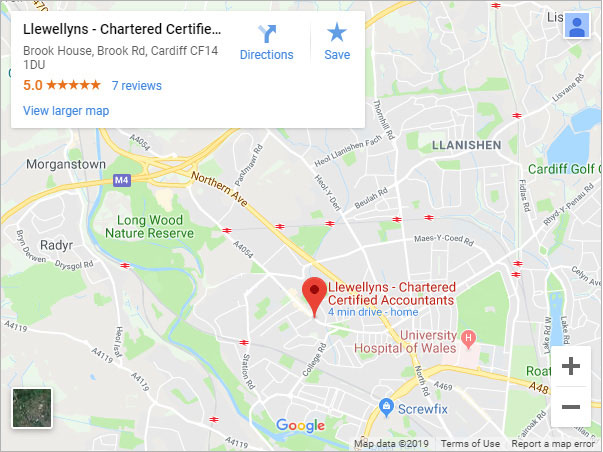
Find Us In Cardiff
Tel : 029 2062 4230
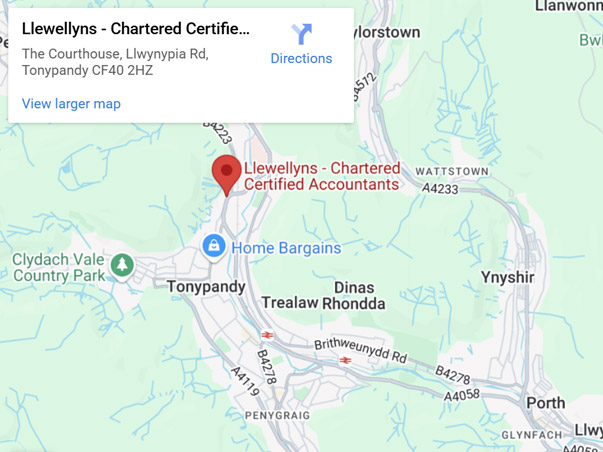
Find Us In Tonypandy
Tel : 01443 303230